
Automotive Components
Heat processes in the automotive industry can be challenging. Infrared (IR) heat offers a solution by ensuring consistent quality while reducing costs. Automotive production involves a variety of materials, including metal coatings, plastic forming, deburring, welding, and glass printing.
Building and Construction
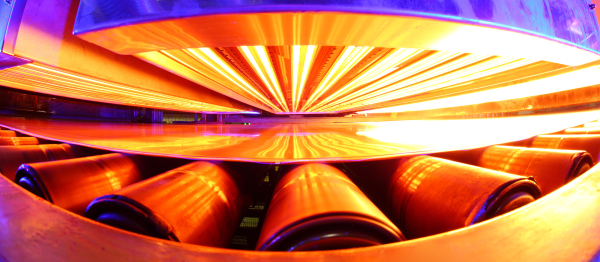
Building and construction materials, such as flooring, home textiles, pipes, tubes, and furniture, require effective heating, drying, or curing. Infrared systems and UV technology represent ideal solutions that optimize these essential processes.
Composites
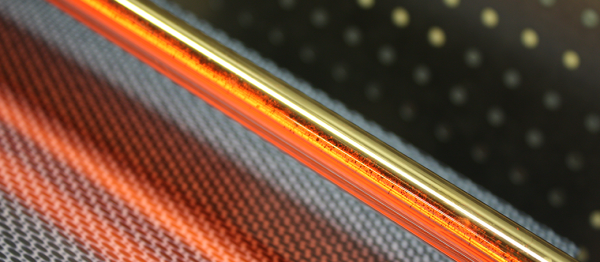
Composite materials are fabricated in various ways depending on their intended applications, including automotive, aerospace, wind energy, construction and infrastructure. Infrared (IR) heat is often used in this manufacturing process due to its fast, uniform heating and reliable curing performance.
Food Processing
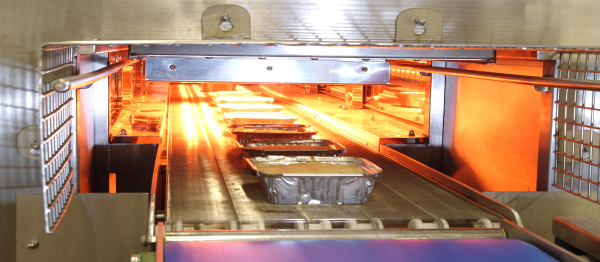
In the food processing industry, precise temperatures are crucial to avoid overheating, especially when processing chocolate, filling candies, pre-browning instant meals, or heating food surfaces. Infrared emitters deliver heat without direct contact and only for as long as necessary. By eliminating the need for preheating and using energy efficiently, heat is provided exactly when required. Furthermore, infrared emitters have a rapid response time, allowing for better control—an essential factor in maintaining food quality.
Industrial Coatings
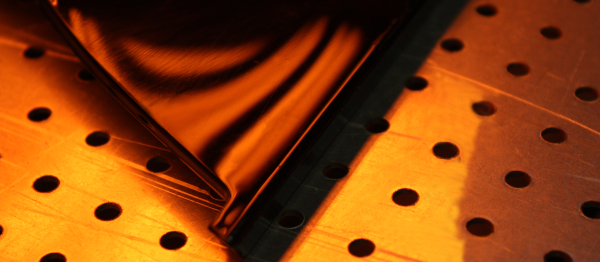
Many coatings, paints, and varnishes require heat for efficient drying. Water-based coatings need to be dried, while powder coatings need to be gelled and cured. Infrared heat emitters are particularly effective for drying water-based coatings, and they can significantly accelerate the melting process of powder coatings, thereby boosting productivity.
Plastics
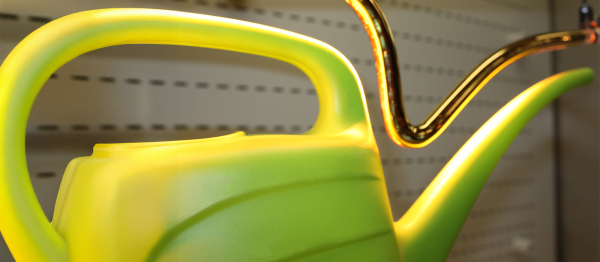
Infrared heating is a highly efficient and effective method for processing plastics across various industrial applications. Infrared emitters play a crucial role in this heating method due to their ability to deliver focused thermal energy while maintaining a contact-free approach that enables rapid processes such as welding, deburring, and forming in just seconds.
Converting Processes
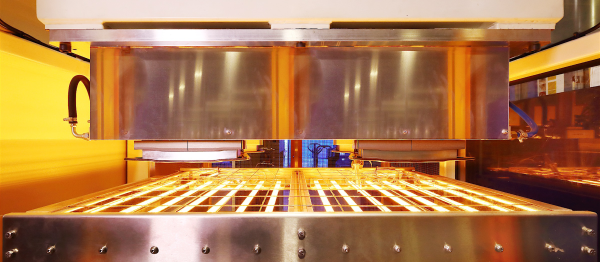
At Excelitas, we develop advanced infrared heating solutions to help optimize your converting processes and improve efficiency. Web materials such as foils, plastics, paper, and nonwovens often require precise heat control for processes such as coating drying, laminating, and embossing.

Metals
Infrared heat is a highly efficient and precise method for modern metal processing. Whether you cure lacquers, dry coatings, or prepare metal parts for alloying and reflow processes, infrared heat supports fast, targeted, and energy‑efficient results. Its rapid response and ability to deliver heat exactly where it is needed make infrared technology well suited for a wide range of metal processing applications.