Improving Process Efficiency with Controlled Infrared Heating for Building and Construction Materials
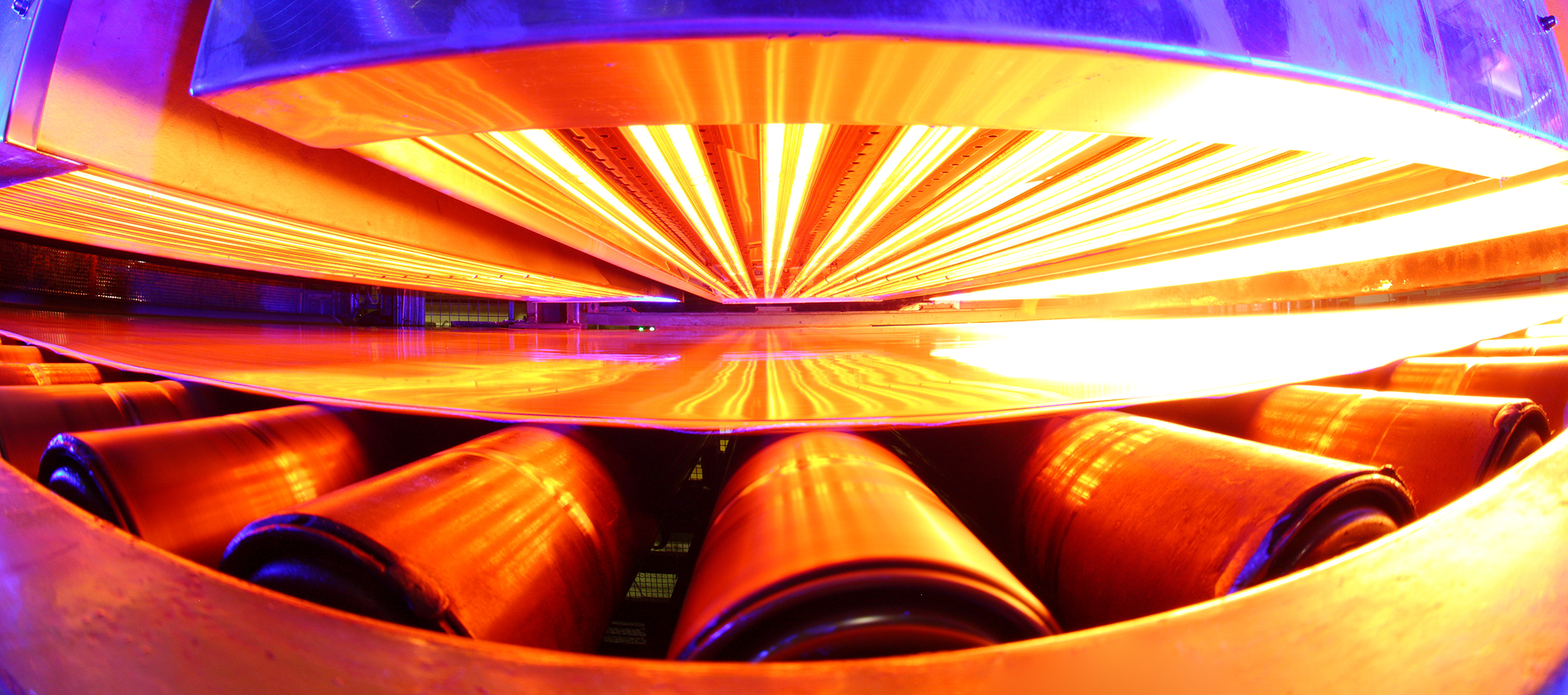
Building and construction materials, such as flooring, home textiles, pipes, tubes, and furniture, require reliable heating, drying, or curing. Infrared systems and UV technology provide effective solutions for optimizing these essential processes.
By precisely matching infrared thermal processing to the specific application requirements, manufacturers can significantly reduce energy consumption, lower production costs, and enhance both production speed and quality.
Infrared emitters are highly effective for the efficient production of construction materials, including non-slip roof plates, safe roofing systems, durable floor coverings, and robust, chemically resistant sewage pipes.
These emitters transmit energy without direct contact, ensuring efficiency and uniform heating. Short-wave and carbon infrared emitters respond in mere seconds, enabling precise control over heating processes while minimizing energy waste during embossing, laminating, or thermoforming.
Infrared Heating for Efficient Wood Processing

To maintain the appearance and durability of high-quality wooden furniture and premium parquet flooring, surfaces must be carefully prepared and sealed. Infrared heat processes support efficient surface treatment without damaging the wood.
Wood processing applications benefit from infrared technology in several ways. Infrared radiation transmits energy directly into materials without contact, providing heat exactly where it is needed. This enables efficient drying of paints and primers, melting of powder coatings, and removal of residual moisture without damaging the integrity of the wood. As a result, product quality is improved and further processing of the wood can begin sooner. To support these processes, Noblelight infrared emitters are designed for rapid heat-up and on-demand heat delivery, helping improve energy efficiency and process control.
Controlled Infrared Heating for Glass Processing
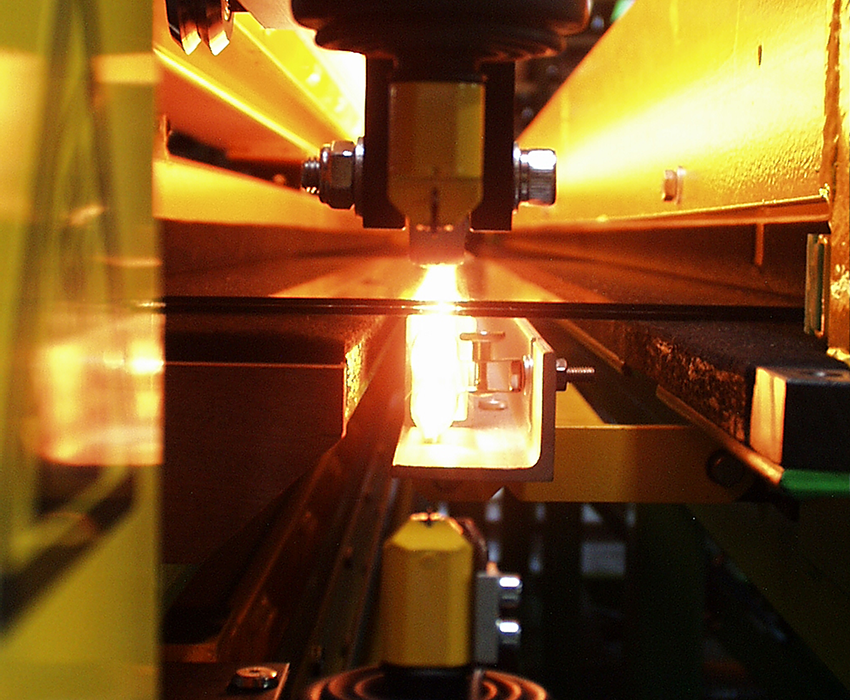
Many glass processing applications, including drying screen printing on car windows, cutting laminated glass, and coating mirrors, require precise and efficient heat. Infrared heating technology addresses this need by providing controlled heat for these processes.
With the right infrared emitter, heat can be directed specifically to the foil interlayer inside the laminated glass without unnecessarily heating the entire pane. Infrared emitters are also well-suited for tempering, as they can be precisely controlled to achieve accurate temperature profiles. Medium-wave infrared radiation is optimal for glass absorption. A goldreflector coating on the emitter surface helps direct heat precisely to the target area, reducing energy consumption, processing time, and operating costs.
Infrared Heating for Faster Drying of Textiles and Non-Wovens
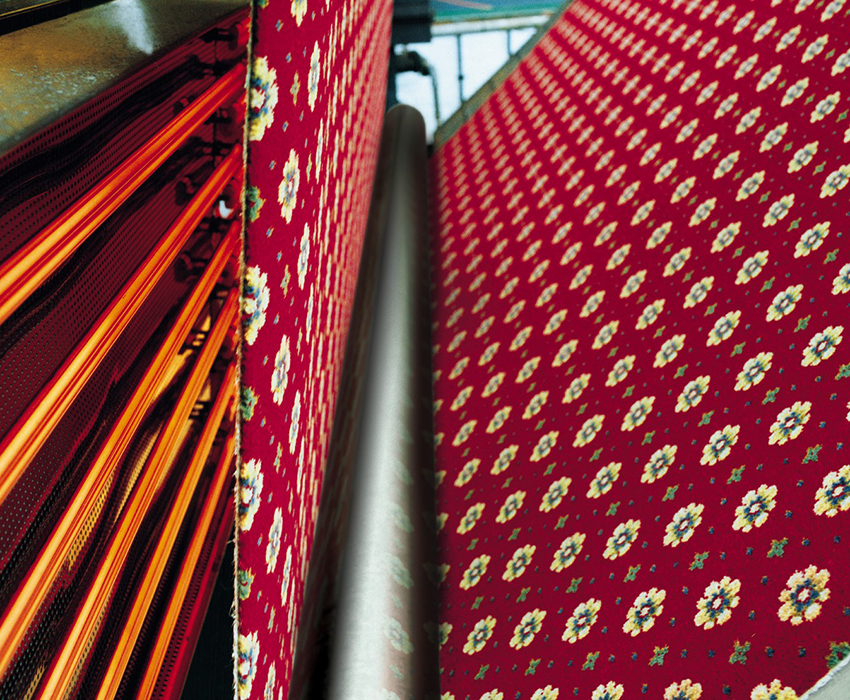
Heating and drying processes are essential components in the manufacture and processing of textiles and non-woven materials. High-value, technical textiles must be produced to demanding quality standards, while coatings and finishes need to be dried as quickly and consistently as possible. As manufacturing speeds continue to increase, heating systems must keep pace with production demands. Infrared is a proven heat source for textile processing because IR delivers high heating power rapidly and efficiently. This helps reduce energy consumption, increase production speeds, and lower overall manufacturing costs.
Explore the application examples under Related Content below to learn how Excelitas infrared solutions can help manufacturers save time, space, and energy.