Optimizing composite fabrication through infrared efficiency
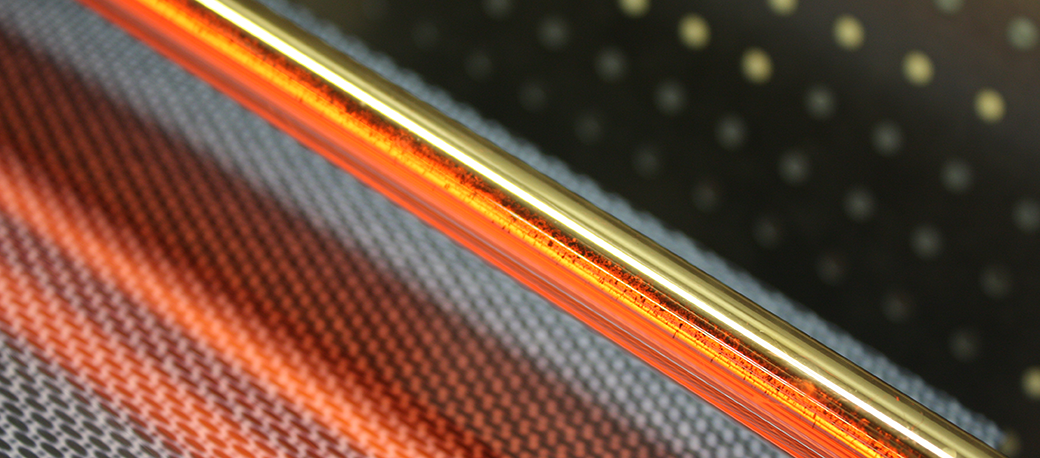
Composite materials are fabricated in various ways depending on their intended applications, including automotive, aerospace, wind energy, construction and infrastructure. Infrared (IR) heat is often used in this manufacturing process due to its fast, uniform heating and reliable curing performance...
Whether used for short-fiber-reinforced thermosetting plastics for large car body parts, long-fiber-reinforced thermoplastics for high-strength structural components, woven rovings for wind energy plants, or filament windings for sleeves and pressure cylinders, composite materials differ by application but share a common goal: to achieve maximum production efficiency at the lowest cost. Infrared heat makes this possible.
Composite manufacturing processes benefit from infrared heating in multiple ways:
- Preheating thermoplastics
- De-bulking and compacting under vacuum
- Ensuring the quality of structural components for aerospace applications
- Optimizing heat input and process control
Advantages of Infrared Heat:
- Precise Control: Enables fine-tuning of voltage and power.
- Edge Adjustment: Accurately follows edges and contours of materials.
- Fast Response Times: Provides excellent control through quick reaction times.
Explore our Related Content below to see how infrared solutions can help save time, space, and energy in composite manufacturing.